

A digital service business can have clean financial statements and still be difficult to transfer if no one knows who controls the operating accounts. The owner may hold the domain registrar login, the cloud subscription owner role, the billing administrator account, the code repository, and the client-support mailbox. If those pieces are not organized before a sale, the buyer faces an unnecessary period of uncertainty after closing.
Good account preparation is not about handing over every password to every early buyer. It is about creating a reliable map of the systems that run the company and deciding how control will move at the appropriate stage of a transition.
Make an Account Inventory Before the Process Starts
Begin with a list of the services the business actually uses. Include the company domain and hosting, email administration, cloud storage, billing tools, customer relationship management, source control, analytics, payment processing, support software, scheduling, and any industry-specific platforms. For each item, record the account purpose, the current owner or administrator, the renewal date if known, and whether the service is paid by the company or personally by the owner.
The list should describe access without exposing credentials in the sale file. A buyer needs to know that the systems exist, who controls them, and whether they can be transferred. Actual secrets belong in a separate controlled handoff process, not in an early diligence attachment.
Separate Company Assets From Personal Accounts
Small service businesses often grow around the founder’s personal accounts. A project-management tool may be billed to a personal card. A domain may be registered under an old personal email address. The founder may be the only administrator on a payment or cloud account. These arrangements are common, but they create questions a buyer will need answered.
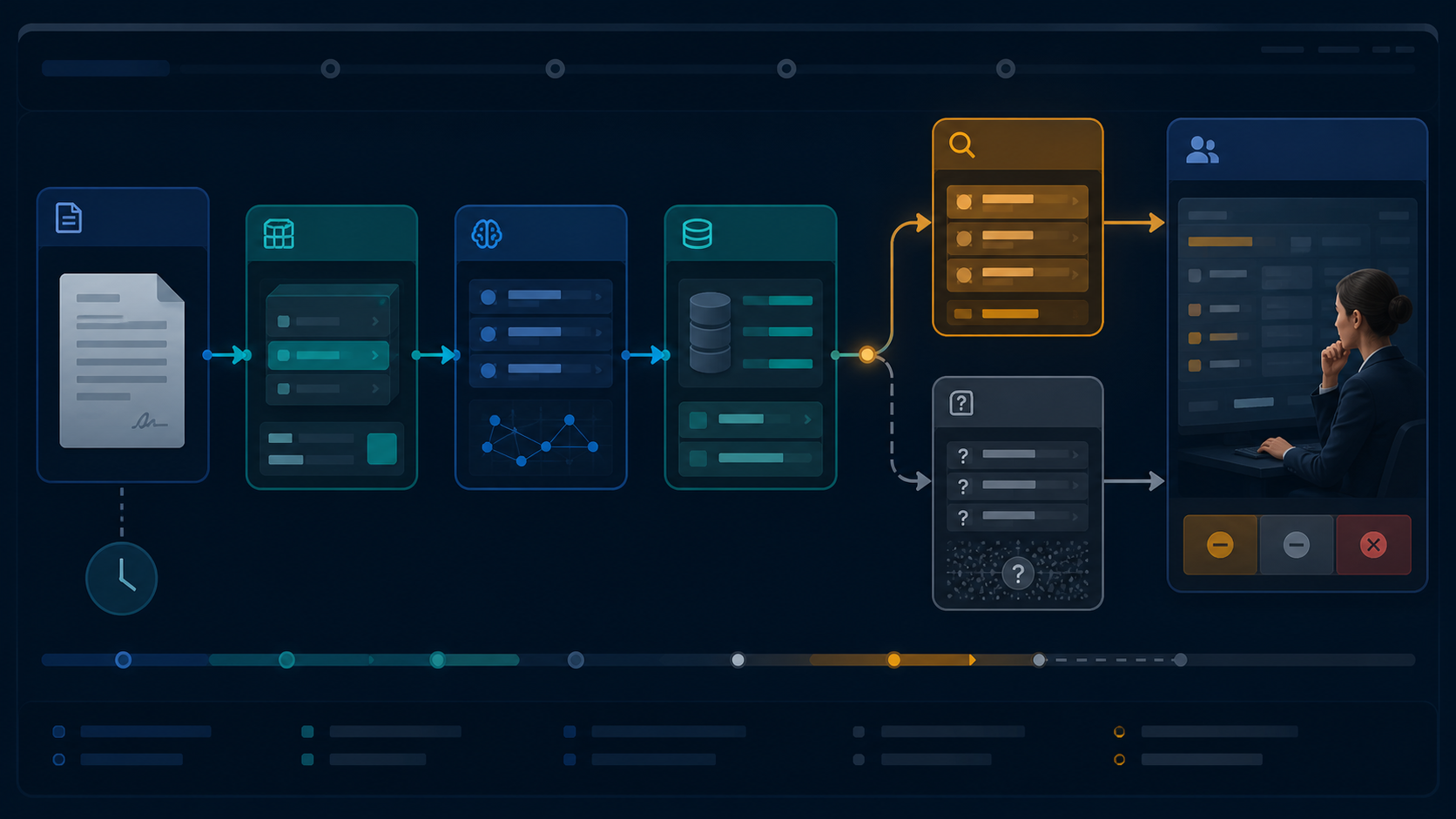
Mark each account as company-owned, personally owned but transferable, shared, or requiring a replacement setup. The point is not to promise that every platform can simply be assigned. The point is to identify the path. Some services allow a business owner change. Others require a new account and a managed migration. A documented plan is more credible than a verbal assurance that the technology will be sorted out later.
For a detailed look at the operating records buyers often ask for, this technology valuation records guide provides useful context on how systems, documentation, and recurring operations fit together.
Document Customer and Revenue Continuity
Software accounts matter because they support customer relationships and revenue. Identify where client contacts are stored, how support requests arrive, how invoices are generated, and who can approve a refund or a renewal. A buyer needs to understand the operating flow without being given unrestricted access to customer data too soon.
Create a plain-language process note for the recurring work. It can explain how a new client is onboarded, how work is assigned, where the team records delivery, and how an owner notices a client at risk of leaving. The note does not replace a full diligence review. It helps a buyer see whether the business has a repeatable service system or depends on the founder remembering every exception.
Plan the Handoff in Stages
Access should move in stages. Before closing, the buyer may need evidence that an account exists and that the company can control it. During a transition, selected administrators may be added, subscription billing may be shifted, and shared files may be moved into a company-owned workspace. After closing, the former owner should be removed from accounts that no longer require their involvement.
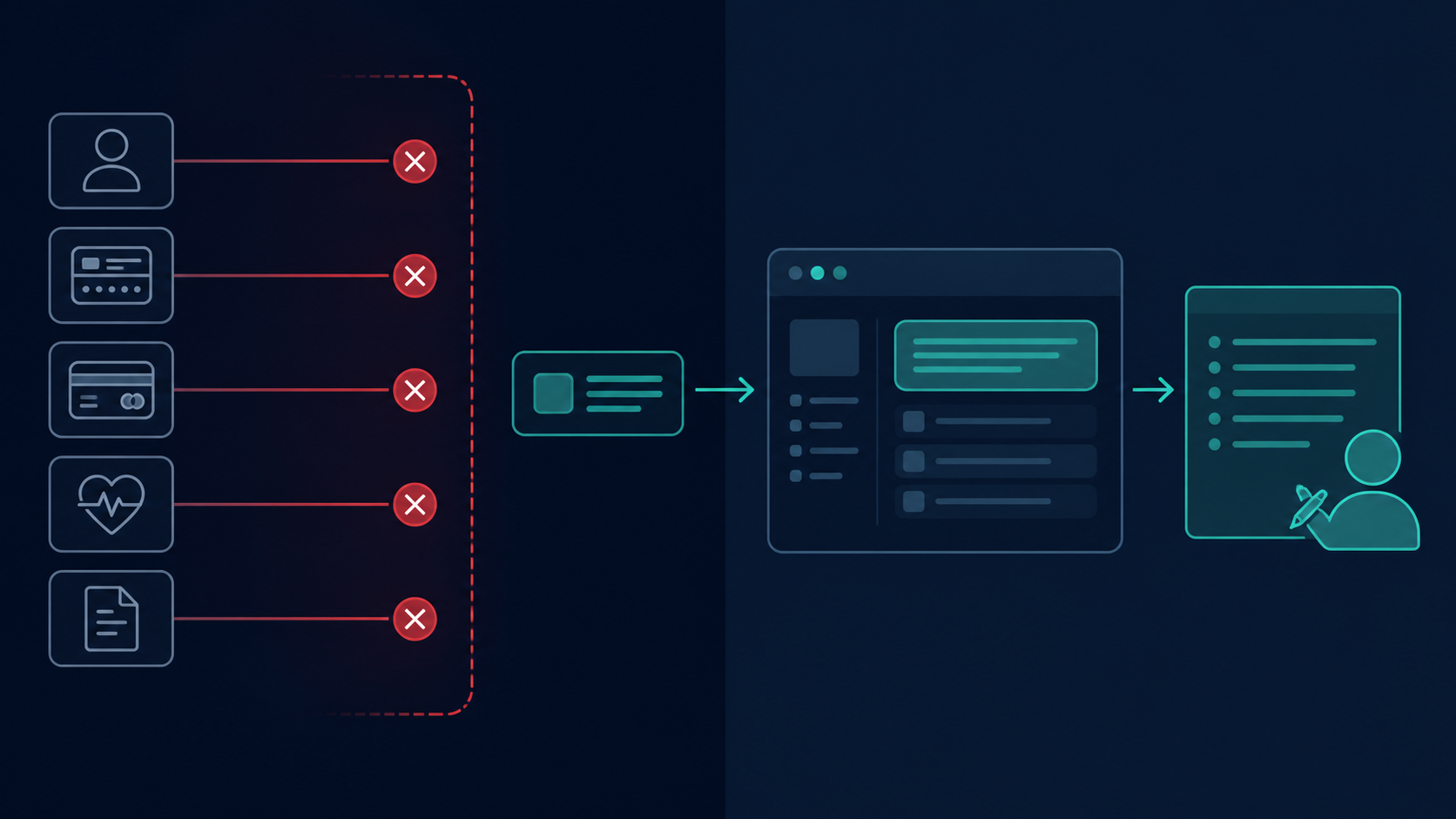
A staged plan protects the business. It reduces the chance of a buyer losing access to a key system on the first day, and it prevents the seller from leaving unnecessary personal access open after the transfer. The exact steps depend on the platforms, contracts, and transaction documents, so owners should use qualified legal, technical, and financial advice where needed.
Keep the Master List Current
An account inventory loses value when it is completed once and never updated. Make it part of normal operating discipline. When the company adds a tool, changes a billing owner, or renews a domain, update the list. That way a future transition does not begin with a scramble to figure out where the company’s own systems live.
Owners planning a broader sale process can use this Indiana owner sale-planning guide to connect account preparation with financial records, buyer communication, and the rest of the pre-market work. Digital continuity is only one part of a sale, but it can quickly become the part that disrupts the business if it is ignored.
Digital Service Transition Checklist
- List every domain, email, cloud, billing, support, and delivery system the business uses.
- Record the current owner, administrator, renewal information, and transfer path for each account.
- Separate company-owned systems from personal accounts and shared services.
- Describe the customer-support and revenue workflow without exposing unnecessary credentials.
- Prepare a staged plan for adding and removing access around closing.
- Keep credentials in a controlled handoff process and obtain appropriate professional guidance for formal transfer questions.
When a buyer can understand how the company controls its core systems, they can focus on the business rather than searching for the keys to it. That is a practical advantage for any owner preparing a digital service company for transition.



0 Comments